How Community Dialogues are Turning Conversations into Action Against GBV
-
by
Youth for a Sustainable World
- No Comments on How Community Dialogues are Turning Conversations into Action Against GBV
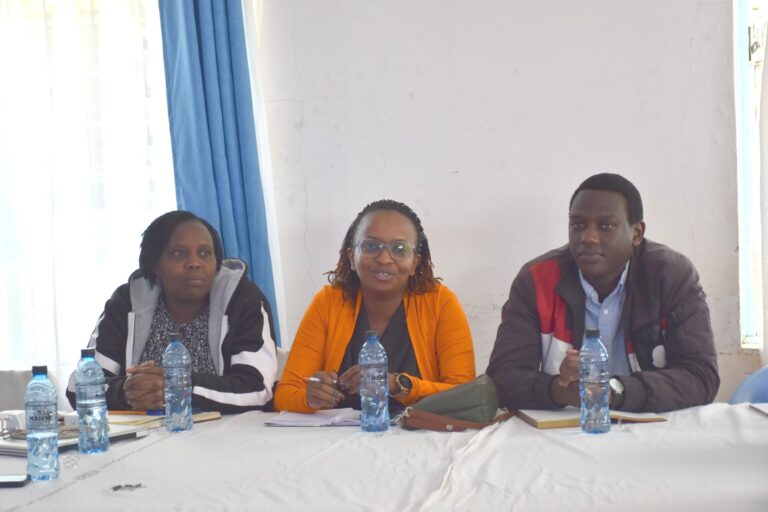
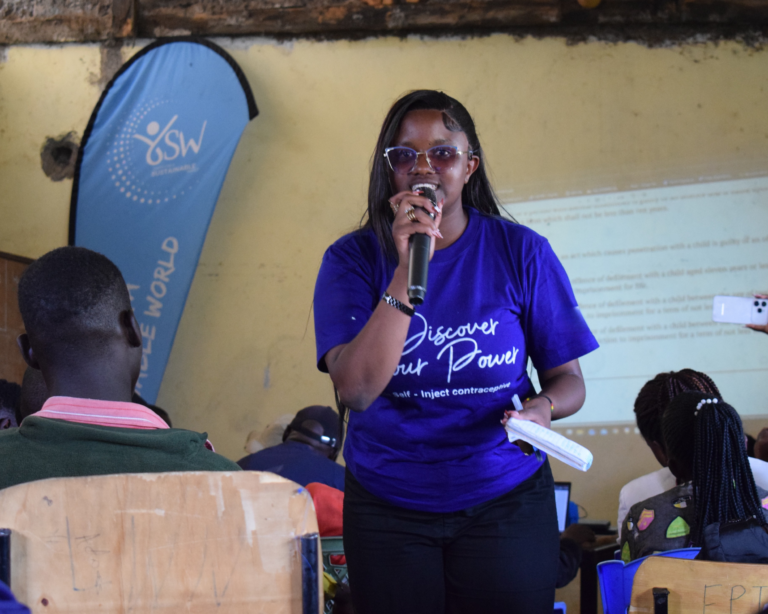
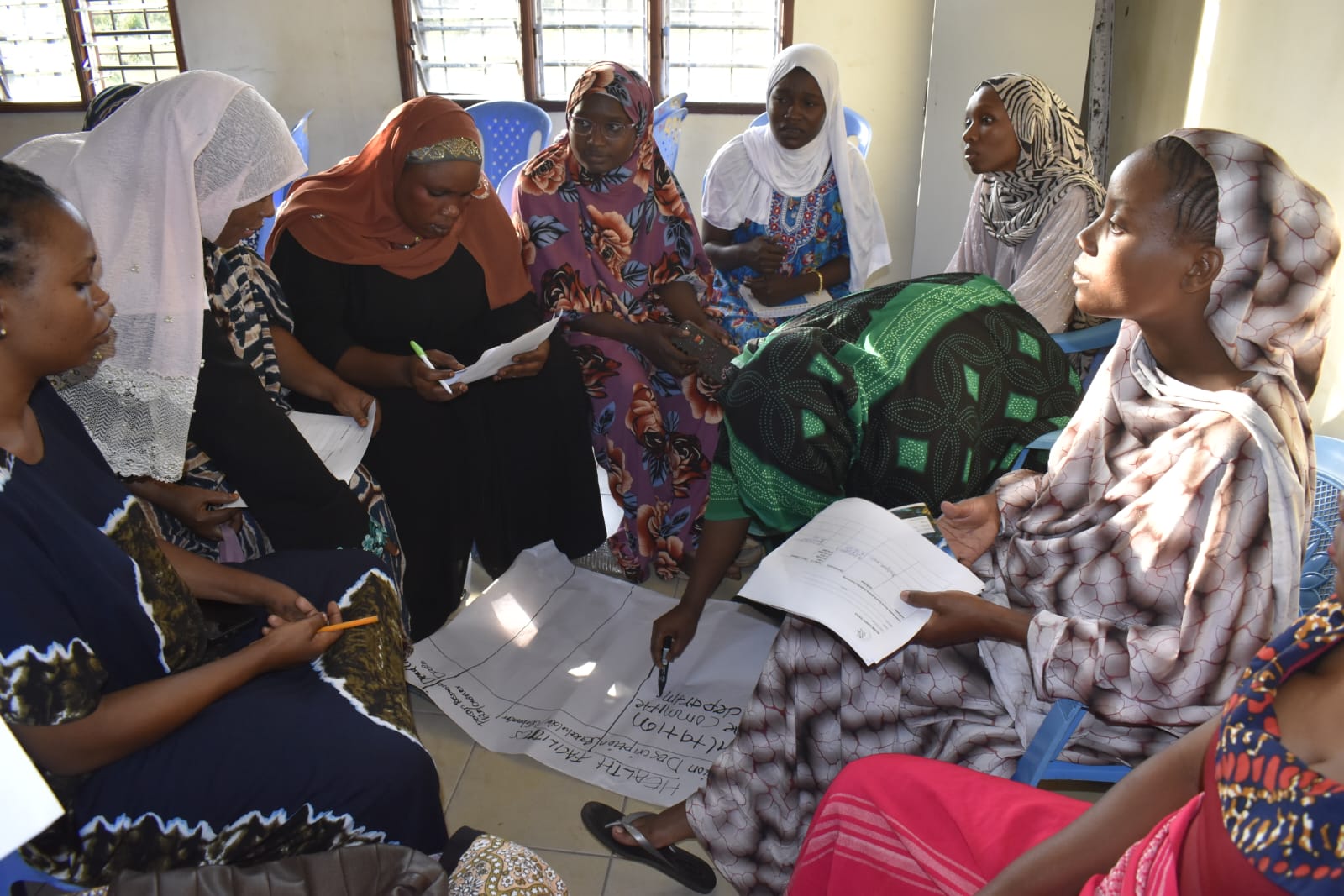
Community dialogue is creating a stronger foundation for collective action against Gender-Based Violence (GBV) in Lungalunga Sub-County, with two sessions in Dzombo and Pongwe Kikoneni wards.
The dialogues created a shared space for communities and justice actors to examine the realities of GBV, strengthen understanding of survivor-centred justice pathways, and identify practical actions to improve prevention and response. Participants explored the different forms, causes and consequences of GBV, with rape and defilement, teenage pregnancy, child marriage and physical assault identified among the most common cases reported in the two wards.
Discussions also brought attention to the factors that continue to enable and sustain GBV, including harmful cultural practices and beliefs, unequal gender norms, poverty, family conflict and limited awareness of available survivor support services and referral pathways. Participants further identified barriers that make it difficult for survivors to access justice, including the distance and cost of accessing services, stigma, fear and threats against witnesses, pressure to protect family reputations, and the existence of informal “kangaroo courts” that can undermine formal justice processes.
Beyond raising awareness, the dialogues strengthened collaboration among community members, local leaders, survivors and GBV justice actors. Participants clarified their respective roles in preventing violence, encouraging timely reporting, facilitating referrals, protecting survivors and improving access to justice. This strengthened a shared understanding that ending GBV requires coordinated action across the community and justice system.
Through the Community Score Card (CSC) process, participants moved from identifying challenges to agreeing on practical solutions. Priority actions included continuous community awareness on survivors’ rights and reporting mechanisms, advocacy for accessible and responsive GBV services, and implementation of agreed actions with clear responsibilities, timelines and follow-up mechanisms. The process is helping shift GBV response from isolated interventions towards community-led accountability.
The dialogues were conducted amid the ongoing health workers’ strike, which affected the participation of some key health-sector actors. Recognising their important role in strengthening GBV prevention and response, community paralegals are actively engaging health workers to gather their perspectives and contributions. Their input will be incorporated into the August report to provide a more comprehensive update on the community-led action plan.
By bringing survivors, communities, leaders and justice actors to the same table, the dialogues are strengthening the local structures needed to prevent GBV, improve survivor protection and make justice pathways more accessible and responsive.
___
Justice for Survivors (J4S) remains committed to advancing access to justice, protection and dignity for survivors of GBV. It is funded by AFD and implemented by CRR, AFJCI and IPPF as the lead consortium member.