Teachers Step Up to Strengthen Life Skills for Young Adolescents
-
by
Youth for a Sustainable World
- No Comments on Teachers Step Up to Strengthen Life Skills for Young Adolescents
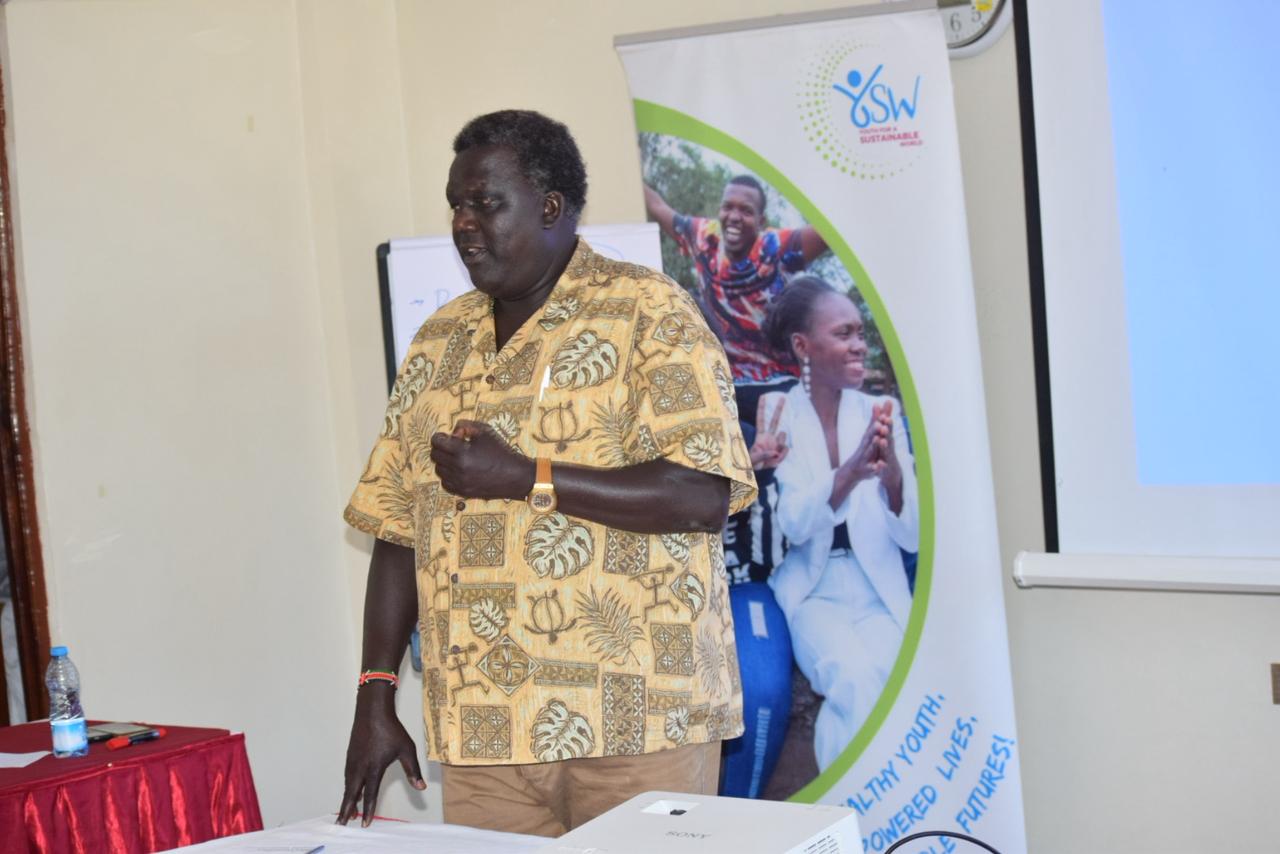
At the close of January 2026, YSW convened school leaders from West Pokot and Migori counties to reinforce the critical role of Life Skills Education for adolescents aged 10–14.
Across both counties, headteachers and representatives from the Ministry of Education, Teachers Service Commission, and Ministry of Health came together to examine the realities facing young adolescents—teen pregnancies, absenteeism, gender-based violence including child marriage and FGM, and limited access to basic needs such as sanitary towels.
Recognising that this age group represents a critical stage where attitudes, behaviours, and decision-making skills are formed, making timely interventions essential, the two-day engagement emphasized Life Skills Education as a transformative intervention for shaping well-rounded and resilient learners.
School heads were oriented on the peer learning model, the importance of gender-inclusive and learner-friendly school environments, and the school re-entry policy that ensures continued access to education for all learners.
“Empowering learners begins with empowering our schools. By strengthening Life Skills Education, we are giving every child the tools they need to navigate life with confidence, responsibility, and purpose,” Deputy Director of Education, West Pokot
Participants delved into LSE materials, refined criteria for selecting mentor teachers, and explored how school clubs can anchor ongoing life skills learning. Schools committed to establishing or strengthening Life Skills Clubs with at least 40 learners—guided by two mentor teachers, one male and one female—and supported by peer educators who will cascade life skills information across the school community.
The action planning sessions brought the workshops to life. Headteachers jointly developed criteria for selecting mentor teachers and peer educators, fortifying the program’s foundation. They also set clear implementation targets to ensure a structured and impactful rollout. County departments pledged technical oversight and continuous support, while schools committed to engaging parents through regular meetings to reinforce SRHR conversations at home.
By the end of the workshops in both regions, stakeholders expressed renewed commitment to creating safe, supportive, and empowering school environments for adolescents. The joint engagements established a strong, united foundation for multisectoral implementation of life skills and SRHR interventions under the BLOOM project.
“This initiative is vital for empowering our learners and preparing them for the future. We are committed, alongside our dedicated stakeholders, including TSC to ensuring the success and sustainability of this project,” said Sub county director of Education Julius Aguta during the school heads’ sensitisation on Life Skills Education in Rongo, Migori County.
About BLOOM
The Building Life Skills for Optimal Opportunities and Maturation (BLOOM) project is a three-year initiative equipping adolescents and young people aged 10–24, both in and out of school, with the skills they need to thrive.
It is funded by BMZ and Bingo.
The Niedersächsische Bingo-Umweltstiftung (Lower Saxony Bingo Environmental Foundation) supports projects in environmental and nature conservation, as well as initiatives promoting international development cooperation and the preservation of cultural heritage. The foundation is funded through gambling tax revenues, with the majority of its income coming from the Bingo Environmental Lottery. More information can be found at https://www.bingo-umweltstiftung.de/.