How this youth centre became a trusted lifeline for young people in Embakasi East
-
by
Youth for a Sustainable World
- No Comments on How this youth centre became a trusted lifeline for young people in Embakasi East
In the busy neighborhood of Embakasi East, many young people grow up with big questions about relationships, pregnancy, and safety, but very few safe places to get clear answers. For a long time, girls feared being judged for asking about contraceptives, and survivors of sexual and gender-based violence often stayed silent because they did not know where to go or whom to trust. SisBro of Zion Youth Empowerment Centre has helped change this story.
Sis Bro registered as a CBO that works with young people every day through its five active youth clubs. Before 2023, the center was passionate but limited. Peer educators had the energy to reach other youth, but they lacked enough technical skills, systems, and tools to support young people properly especially on sensitive issues like family planning and SGBV. Many community members still believed myths about contraceptives, such as that they cause infertility or serious illness. At the same time, violence against girls and young women was common but rarely reported, and survivors often suffered alone.
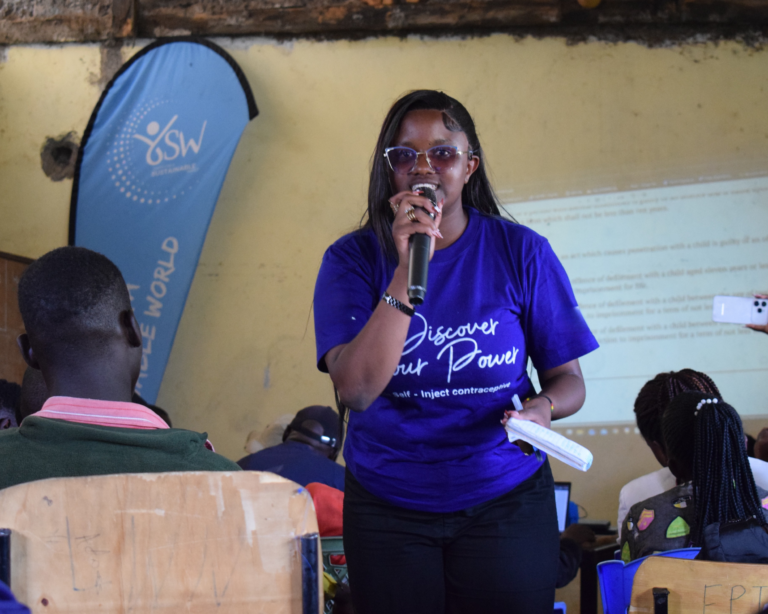
This began to change when Sis Bro partnered more closely with YSW through YOEP project for structured capacity strengthening. Peer Educators and Community Health Promoters received practical training on modern contraceptives how different methods work, how to explain side effects in simple ways, how to support first-time users, and how to help young people choose what suits them best. They were also trained on how to support survivors of violence: how to listen without blaming, how to keep information private, how to give emotional first support, and how to refer survivors safely to health facilities, counselling services, and legal support.
At the same time, Sis Bro strengthened how it works as an organization. With support from YSW, the center developed clear safeguarding and referral policies, improved its record keeping, and received basic equipment and materials to run activities well. Meeting spaces were improved, education materials were provided, and the youth clubs were supported to organize regular peer education sessions. These changes helped the centre become more professional and trustworthy in the eyes of the community. “Thanks to the training, new systems, and support, our work is visible, respected, and trusted,” says Collins, the team lead at the YEC
With stronger skills and systems, Sis Bro’s work on contraceptive access became more focused and practical. They talked openly about preventing unplanned pregnancies and protecting against HIV and other infections. For many girls, this was the first time anyone had explained these issues clearly and without judgment.
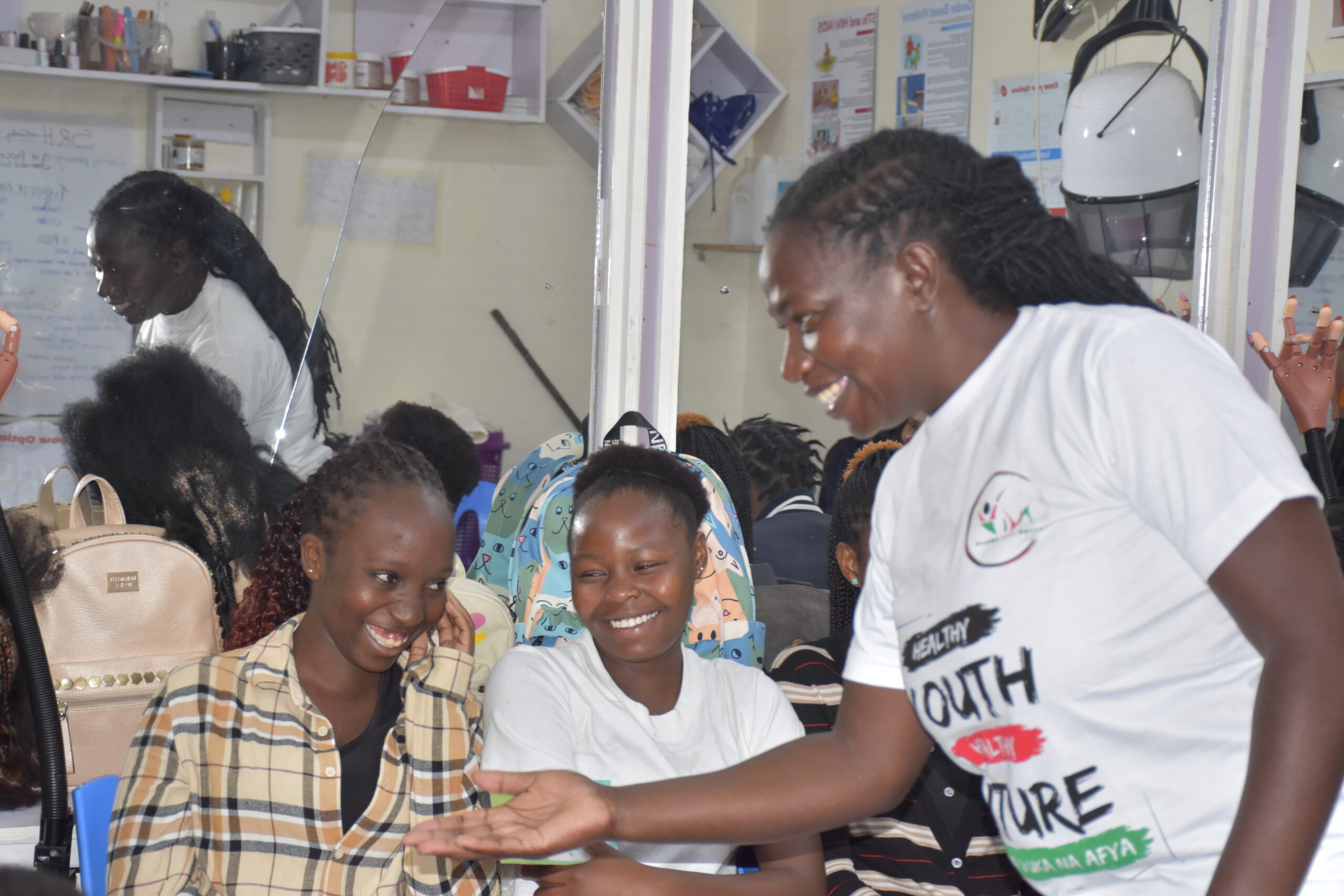
Young women who were scared to visit clinics alone were supported step by step. Peer educators shared clinic days, what would happen during the visit, and what questions nurses might ask. Some girls were even accompanied to the health facility, so they would not feel ashamed or lost. Because of this support, many first-time users chose injectables, implants, or pills with confidence, and others returned regularly for follow-up services. From 2023 to today, Sis Bro has contributed to over 20,000 adolescents accessing essential sexual and reproductive health services including contraceptives and 10,800 young people receiving accurate SRHR information through peer education.
The same trust helped change how SGBV cases are handled in the community. Survivors began coming to Sis Bro quietly, often through a friend or a peer educator they trusted. Instead of being blamed or ignored, they were listened to calmly and respectfully. Peer educators helped them reach health facilities quickly for medical care, including emergency contraception and treatment for infections, and linked them to counselling and legal support where needed. Some survivors were afraid to walk alone, so volunteers accompanied them to ensure they felt safe. In the last 2 years, 20 survivors of gender-based violence have been supported to seek medical care and pursue justice.
Slowly, the centre has become known as a safe place. Parents, teachers, and local leaders are now referring young people there for help and information. Girls who once stayed silent are now encouraging their friends to seek help early. Boys were also included in discussions, learning that supporting contraception and standing against violence is part of being responsible and respectful.
Behind these changes are real lives. A schoolgirl who feared pregnancy was able to continue her education because she learned about contraception early. A young woman who experienced violence received medical care and counselling instead of suffering alone. A group of boys learned how to talk about consent and respect. These small moments, repeated many times, created big change. “I was scared and had no idea what to do. My peer walked with me to the Mukuru Kwa Njenga Health Center, stayed with me, and helped me get the care I needed. Because of them I can keep going to school. ‘ says *Amina the schoolgirl.
Today, Sis Bro is more than a youth Center. It is a strong community partner that connects young people to real services. Its training, improved systems, equipment, and ongoing support from YSW and other have turned it into a trusted bridge between the community and health facilities. Through simple conversations, careful referrals, and steady follow-up, the centre continues to expand access to contraceptives and provide safety and support for young people , including survivors of violence.