Cross-Learning Sparks New Commitments to Sustain Youth-Centred SRHR Services in Nakuru
-
by
Youth for a Sustainable World
- No Comments on Cross-Learning Sparks New Commitments to Sustain Youth-Centred SRHR Services in Nakuru
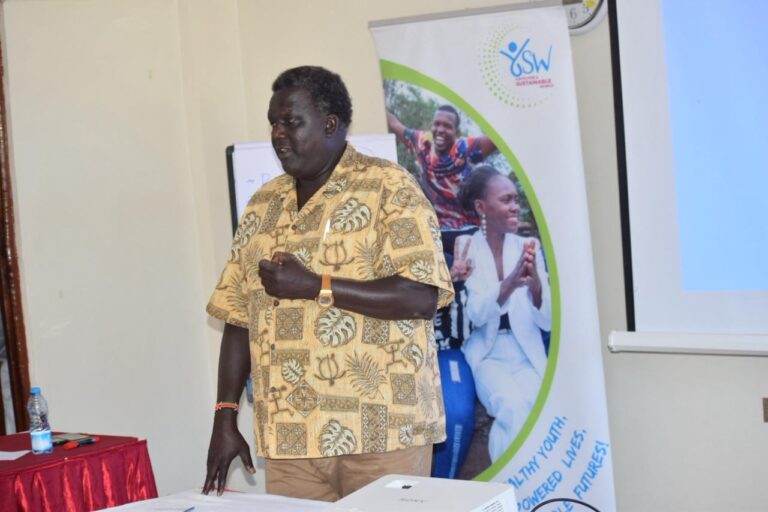
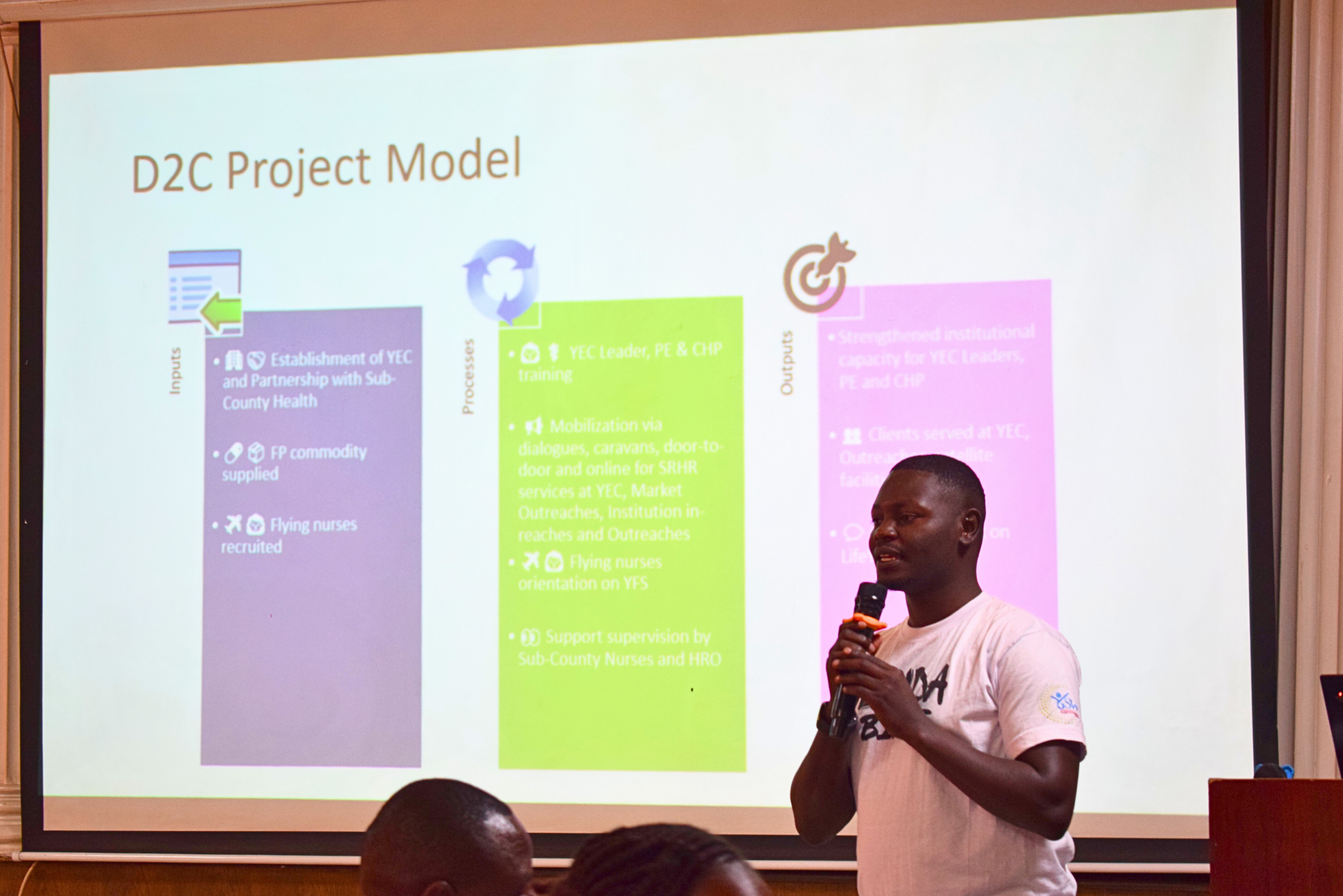
YSW hosted a cross-learning and insight-generation meeting with stakeholders from Gilgil and Njoro sub-counties in Nakuru to reflect on best practices and sustainability strategies for the D2C project.
Discussions highlighted the strong youth-centred approach as the backbone of the project’s success. Youth-friendly and flying nurses, interactive engagement methods, and the Youth Empowerment Centre were noted for creating trust, improving turnout, and offering a safe space for young people to access accurate SRHR information.
Consistent integration of HIV testing, cancer screening, family planning services, and laboratory support ensured comprehensive care during outreaches and facility visits. Reliable commodity availability, strong teamwork, and open communication across county and project teams helped maintain service quality and minimise disruptions.
Both sub-counties outlined clear commitments to sustain the gains made.
Njoro committed to strengthening county-led ownership by assigning facility nurses to the YEC, advocating for project nurses to be absorbed into county systems, maintaining monthly outreaches, and using consumption data to secure FP commodities. They also plan to fundraise for a youth-friendly space in Mau Narok and enhance youth participation in public forums to influence budgeting and planning.
Gilgil emphasised continuity through partnerships, proposing that 10% of the Health Products and Technologies budget be dedicated to FP commodities. They plan to strengthen staff capacity for youth-friendly services, maintain integrated community outreaches with dialogue days, and ensure secure storage of D2C equipment to protect functionality