I Make Consent Everyone’s Conversation
 Youth for a Sustainable World
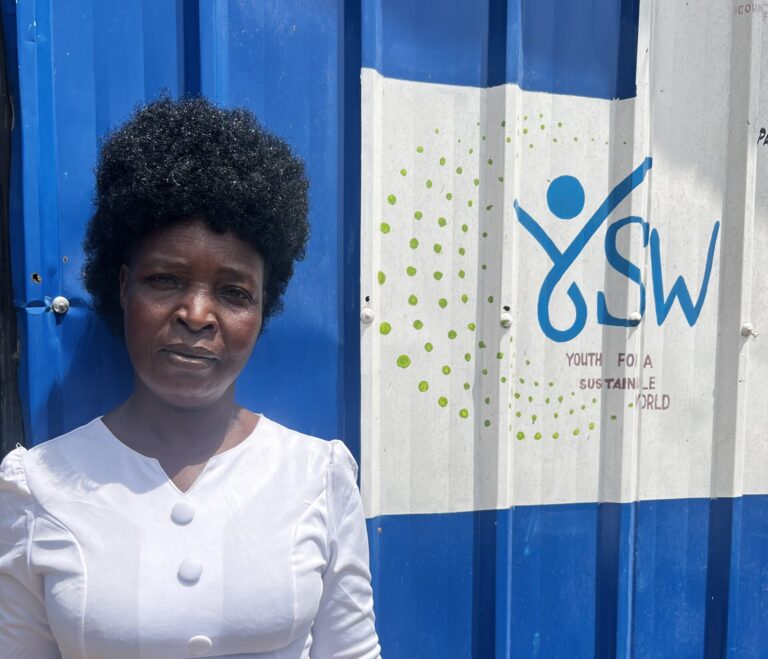
By Nyambura Mbaria- Peer educator and advocate
As a young advocate for gender equality and adolescent girls’ empowerment, I am constantly provoked by the ways our society normalizes gender‑based violence through entrenched practices and structural inequalities. These practices, often justified by normalised culture and traditions, silence adolescent girls and women, denying them agency.
The recent landmark ruling by Kenya’s high court declaring that consensual sex between teenagers should not attract criminal charges revealed how deeply these power dynamics are misunderstood. Instead of being seen as a step toward protecting young people’s rights, some of my peers, due to lack of knowledge misinterpret it as a license to exploit adolescent girls, exposing the dangerous ignorance among young people and community on existing legal frameworks meant to safeguard against GBV.
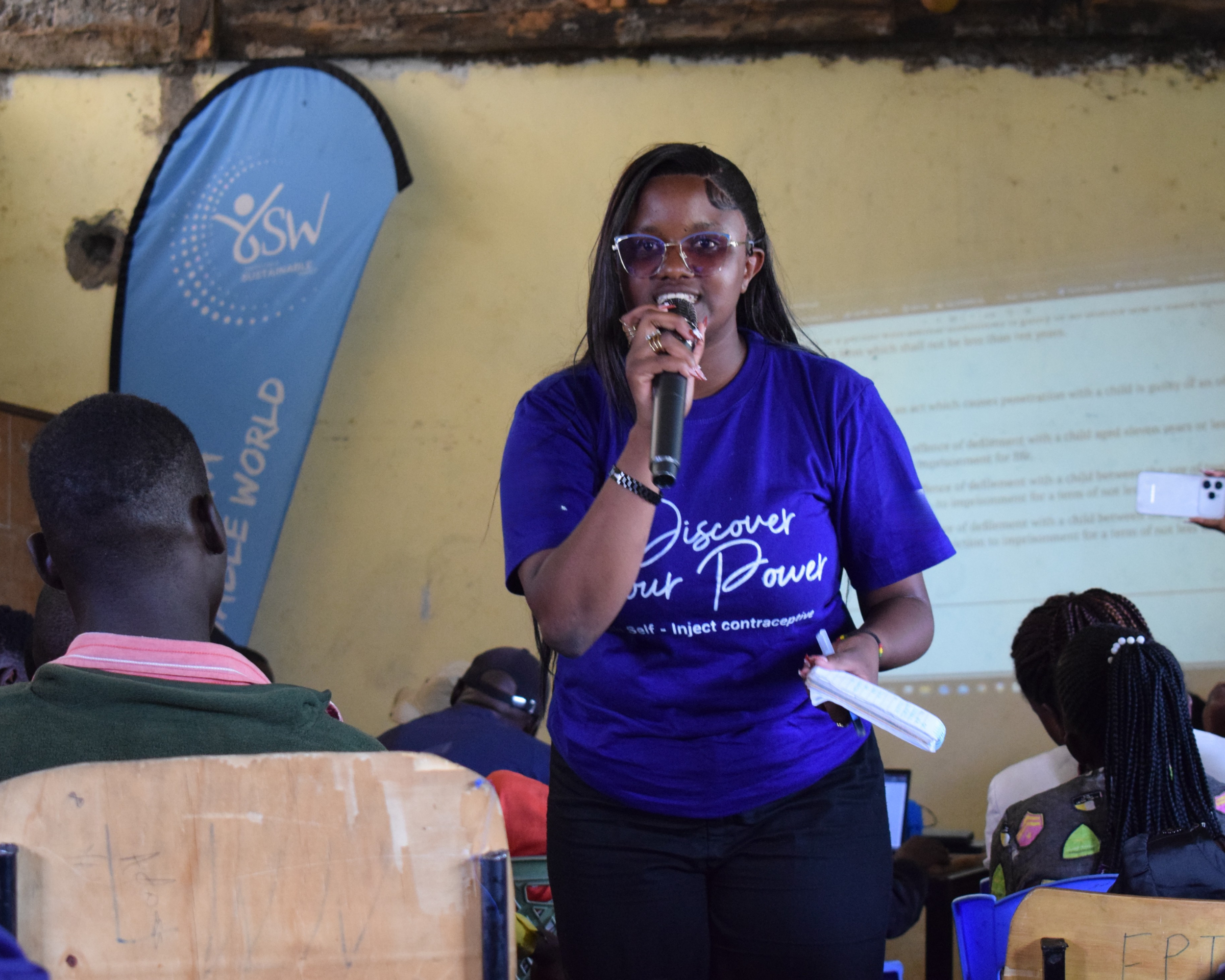
This reality always gives me a reason to act, through projects supported by YSW and other partners, I have made it my endeavour to engage adolescents, young girls & women, and communities on the transformative power of consent. For me, consent is not a rigid rule but a liberating principle, a foundation of respect and equality that challenges harmful norms. I believe that embracing consent can shift power and restores reproductive autonomy to adolescent girls and women, disrupts systems that excuse violence, and builds a culture of mutual respect.
To achieve this, I champion the FRIES framework, which offers a simple yet powerful way to remember what consent truly means. Consent must be freely given, without pressure and coercion, it must be reversible, allowing anyone to change their mind at any moment, must be informed, based on full knowledge of the situation, must be enthusiastic, expressed with genuine willingness and must be specific, tied to a particular act and situation rather than assumed. Through the framework I can confidently say majority of the peers I have interacted with are building healthier relationships rooted in mutual respect.
Change is gradual, but visible. I see it when young people confide in me about consent, when boys begin to challenge each other’s harmful jokes, and when communities through project supported by YSW start questioning norms that objectify girls. These moments signal a shift in power dynamics, from silence to accountability. They demonstrate that structural barriers can be dismantled and creation of an environment that affirms equality, and reshaping systems to honour the rights and dignity of adolescent girls and women.