How mentor teacher training is shaping young adolescents’ futures
-
by
Youth for a Sustainable World
- No Comments on How mentor teacher training is shaping young adolescents’ futures
In the rolling hills of West Pokot County, where culture and tradition are deeply woven into daily life, adolescence can be a fragile crossing especially for girls. Here, gender inequality remains a lived reality. According to the 2022 Kenya Demographic and Health Survey (KDHS), the county reports a 36% teenage pregnancy rate and 27% of women aged 15–49 have experienced gender-based violence. Harmful practices such as child marriage and FGM persist, while stigma around discussing sexuality silences young voices.
In this environment, girls are often forced to choose between education and early motherhood. Boys, too, grow constrained by harmful masculinity norms that discourage vulnerability and emotional expression. The result is a cycle of school dropouts, drugs and substance abuse, risky sexual behaviours, and lost potential. It is within this context that the BLOOM Project took root, determined to transform schools into safe spaces where learners can grow holistically and achieve their full potential.
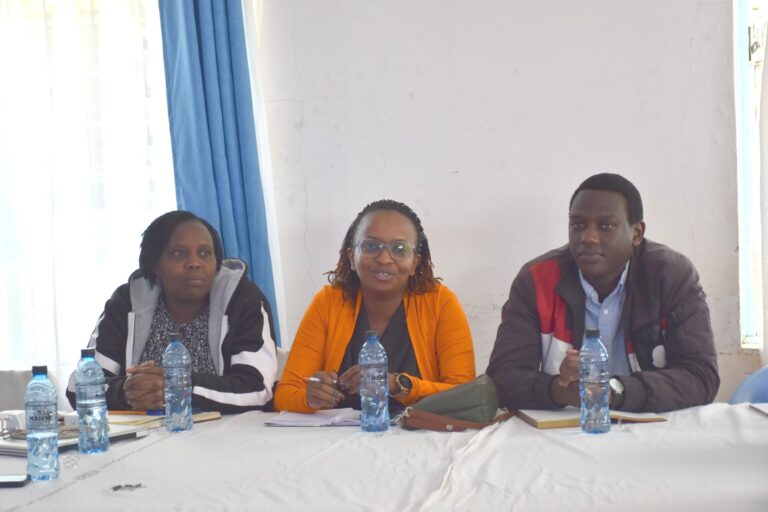
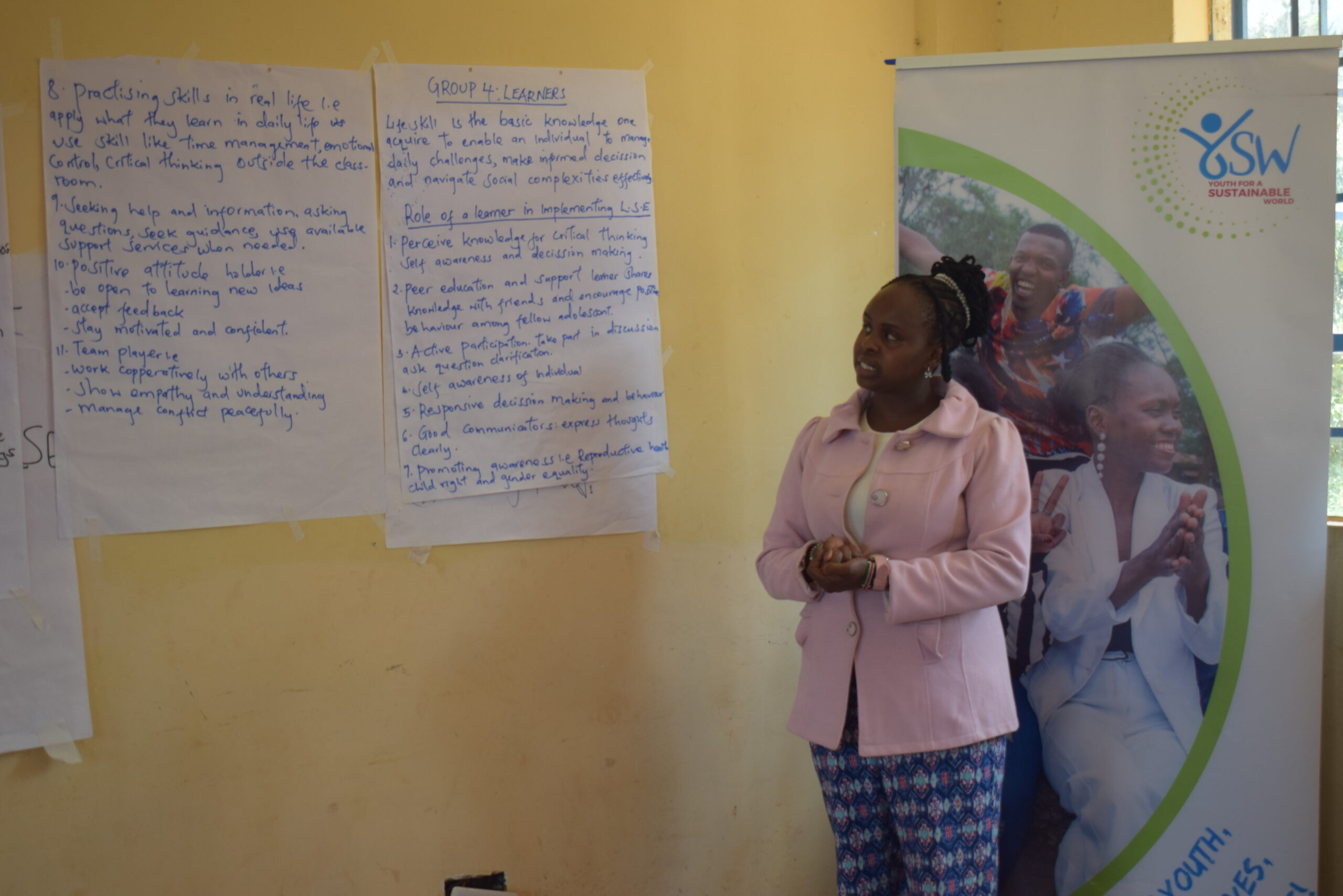
Thirty mentor teachers from 15 comprehensive schools across West Pokot Sub-County convened for an intensive three-day training on Life Skills and Peer education in schools. Teachers are respected figures in the community and, therefore, central subjects of change.
Many entered the training carrying the weight of cultural taboos. In their community setups, conversations around adolescent sexuality, and gender-based violence were considered sensitive, even inappropriate.
“At times, we feared that talking openly about sexuality would be seen as promoting immorality,” admitted one teacher during a reflection session.
Grounded in feminist principles of participation, inclusion, safeguarding, power awareness, and social justice, the training challenged these perceptions. Through exercises like the privilege walk and guided storytelling, teachers confronted how power dynamics, gender bias, and structural inequalities shape students’ lives. They examined how silence around sexuality disproportionately harms girls and how rigid masculinity norms limit boys.
By the end of the three days, the teachers began seeing themselves not merely as instructors, but as allies in dismantling inequality.
“If we don’t inform our pupils, especially girls, on realities and challenges associated with adolescence, the silence will eventually endanger them. Information protects them,” Beryl Cherop, Mentor Teacher, West Pokot.
On this, they committed to building safer and gender responsive schools by jointly co-creating Safe Space Agreements that centred respect, confidentiality, and inclusivity. These agreements form the backbone of Life Skills Education sessions and school clubs in the 15 schools. Each school committed to identifying and mentoring peer educators who will cascade life skills knowledge to hundreds more learners.
“We are no longer just teaching for exams. We are teaching for life.” Enock, Mentor Teacher, West Pokot.