Intervention Strengthens CHPs’ Skills in Data Collection for HIV Programming
-
by
Youth for a Sustainable World
- No Comments on Intervention Strengthens CHPs’ Skills in Data Collection for HIV Programming
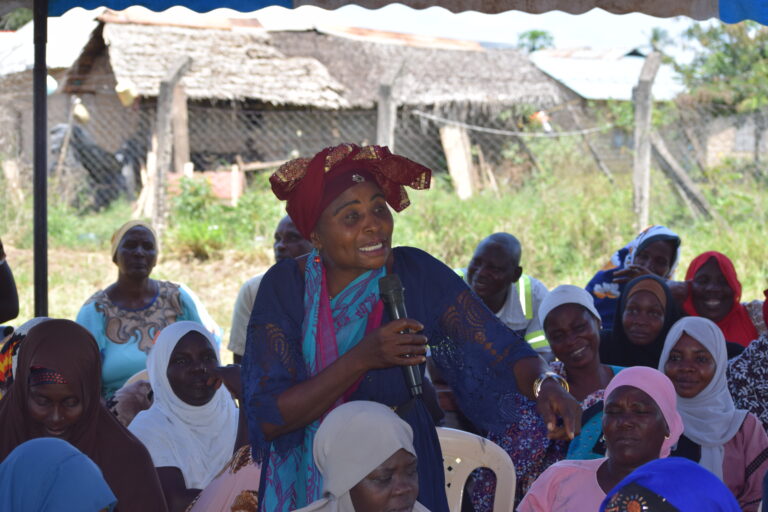
In HIV programming, reliable and accurate data is vital because it reveals service gaps and ensures that people living with HIV can access the equitable, timely care they need. With this in mind, YSW invested in sensitising Community Health Promoters (CHPs) at Ranen Ochuna Hospital in Awendo Sub-County.
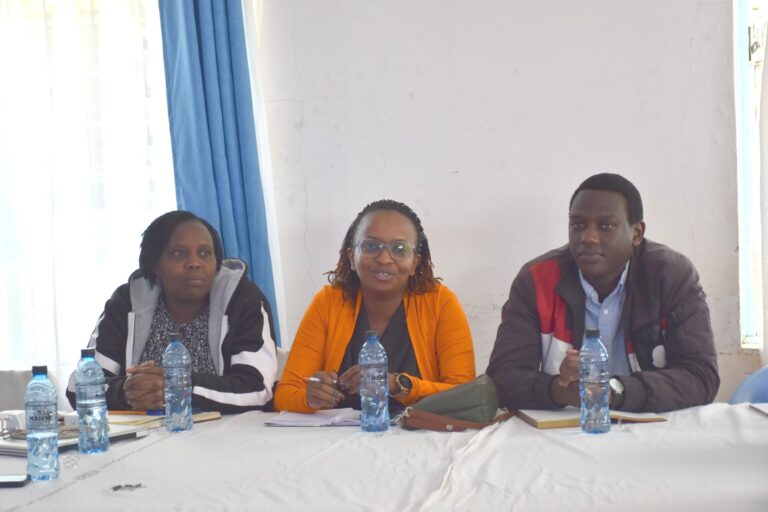
The session, held under the ChildRise project funded by Else-Kröner-Fresenius-Stiftung, aimed to deepen CHPs’ understanding of data systems and strengthen the accuracy, reliability, and usefulness of HIV-related data collected at household level.
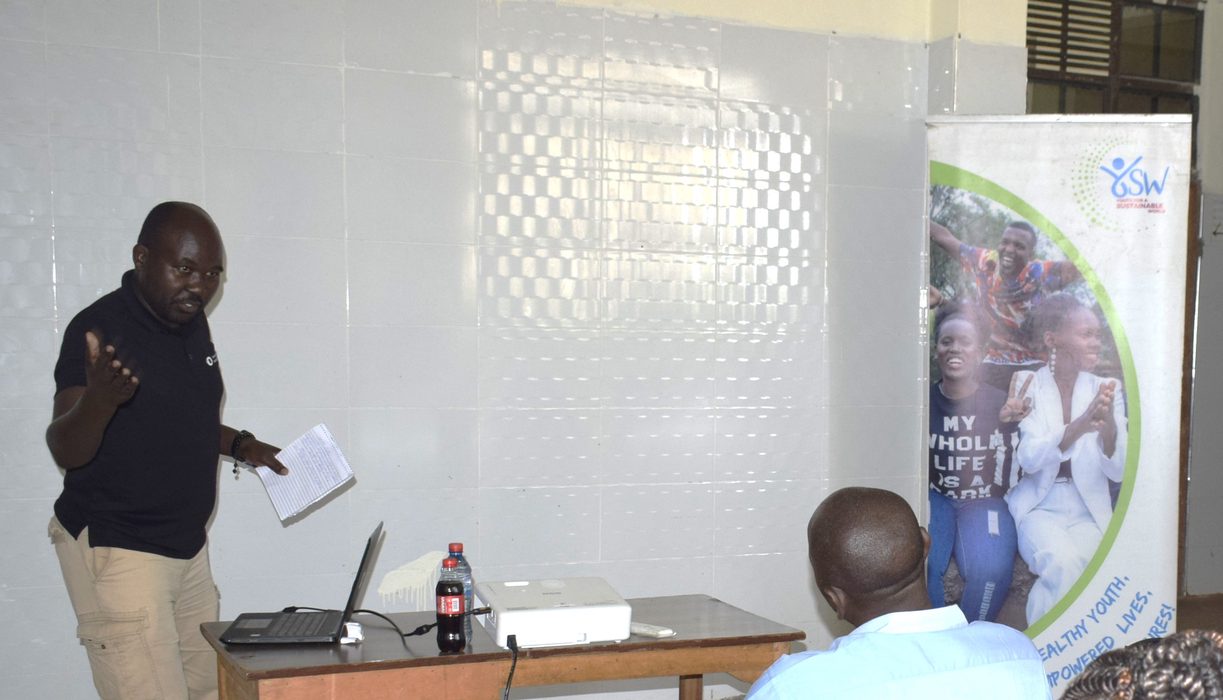
The Rongo Sub-County Health Records and Information Officer, Chrishan Obura, led an engaging session that unpacked essential components of data management, including: Data management, decision-making support, collection and processing, analysis, dissemination, and use; data needs at beneficiary and systems levels; The importance of data management in shaping targeted interventions; and data integration, storage, and reporting pathways.
The discussion underscored the importance of enhancing CHPs’ capacity, as they are the first to engage households and generate the Level 1 HIV data that guides decisions by the county health teams, and health partners. Strengthening their data management skills ensures that the information they collect can more effectively drive accurate, equitable HIV interventions.
“If CHPs fail at data collection, the data used by other departments will not be accurate,” said Obura. This reminder underscored how community-level errors can cascade into system-wide information gaps.
Because of the sensitive nature of engaging teen mothers living with HIV, the session reaffirmed the importance of confidentiality, dignity, and respectful care. Community concerns about privacy—especially young mothers who already face layered stigma—highlighted the need for CHPs to uphold ethical data practices that protect women’s rights and autonomy.
Pamela Wesonga, a CHP, said the skills she gained will be helpful especially during report submission.
“We get data on various things such as appointment, types of medication they receive. We relay such data to the healthcare provider who can make decisions that will make the teen mothers and their children live a healthy life” she explains.
By the end of the workshop, the CHPs committed to strengthening the quality, reliability, and gender sensitivity of the data they collect. They agreed to use harmonised reporting pathways and YSW’s enhanced tracking tool—ensuring the experiences of teen mothers are not only counted, but valued, protected, and used to advocate for better services.